Eco-Friendly Hardware Troubleshooting: A Sustainable Approach to Tech Repair

In a world increasingly driven by technology, the need for hardware troubleshooting has never been more critical. However, as we dive into the intricacies of fixing our devices, we must also consider the environmental impact of our choices. This article explores how we can approach hardware troubleshooting with a sustainable mindset, ensuring that our tech repairs not only solve problems but also contribute positively to our planet.
The first step in eco-conscious hardware troubleshooting is understanding the lifecycle of our devices. Many of us are guilty of tossing aside malfunctioning gadgets, opting for the latest model instead. This practice not only contributes to electronic waste but also perpetuates a cycle of consumption that harms our environment. Instead, we should embrace the idea of repair and reuse. By extending the life of our devices, we reduce the demand for new products, which in turn lessens the strain on our planet’s resources.
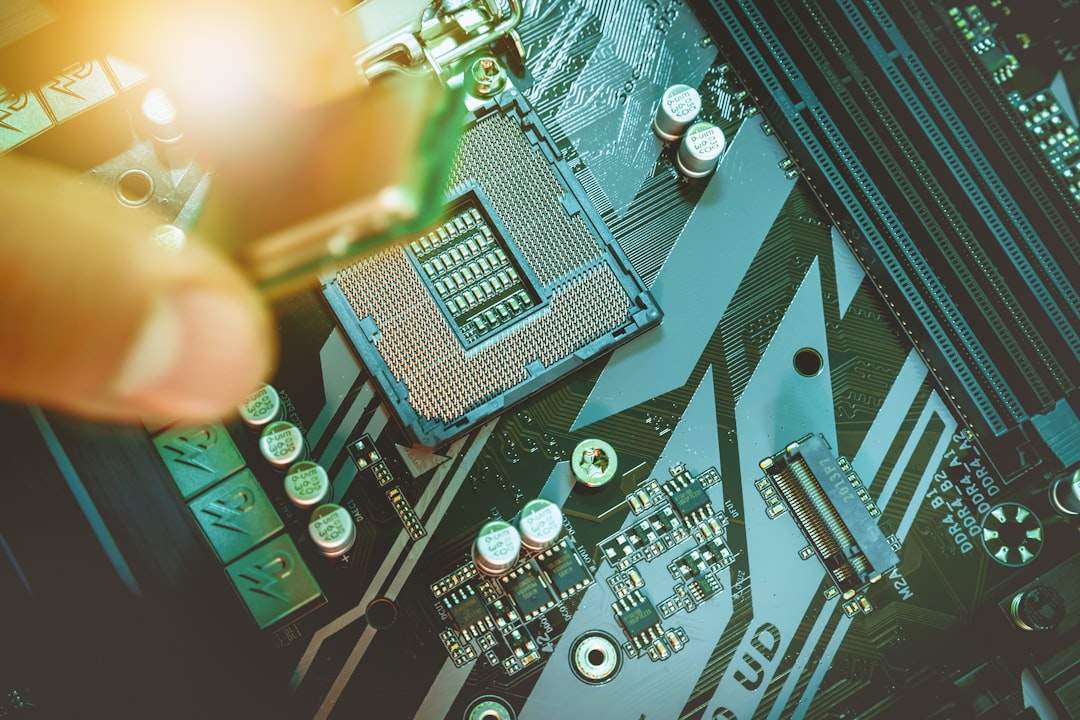
One of the most effective ways to troubleshoot hardware issues sustainably is through DIY repairs. With a plethora of online resources, including video tutorials and forums, anyone can learn to fix common problems. Whether it’s replacing a hard drive, fixing a cracked screen, or upgrading RAM, DIY repairs empower individuals to take control of their technology. Not only does this save money, but it also fosters a sense of accomplishment and responsibility towards our devices.
When embarking on a DIY repair journey, it’s essential to source parts ethically. Look for suppliers that prioritize sustainability and ethical practices. For instance, companies that adhere to the Energy Star certification are committed to energy efficiency, which can significantly reduce the environmental impact of our tech. By choosing parts from Energy Star-certified manufacturers, we can trust that our repairs are contributing to a more sustainable future.
Moreover, consider the materials used in your devices. Many electronics contain hazardous materials that can be harmful to the environment if not disposed of properly. When troubleshooting hardware, always be mindful of how to recycle or dispose of old parts responsibly. Many communities offer e-waste recycling programs that ensure hazardous materials are handled safely, preventing them from ending up in landfills.
In addition to individual repairs, we can advocate for broader changes in the tech industry. Supporting companies that prioritize sustainability in their manufacturing processes is crucial. Look for brands that use recycled materials, implement energy-efficient production methods, and offer take-back programs for old devices. By choosing to invest in these companies, we send a clear message that consumers care about the environmental impact of their purchases.
Another angle to consider is the psychological impact of hardware troubleshooting. Engaging in the repair process can foster a deeper connection to our devices. Instead of viewing them as disposable commodities, we begin to see them as valuable tools that deserve care and attention. This shift in mindset can lead to more responsible consumption habits and a greater appreciation for the technology we use daily.
As we navigate the world of hardware troubleshooting, let’s not forget the importance of community. Joining local repair groups or participating in repair cafes can provide invaluable support and resources. These gatherings not only offer hands-on help but also promote a culture of sharing knowledge and skills. By working together, we can create a network of eco-conscious individuals dedicated to reducing electronic waste and promoting sustainable practices.
In conclusion, hardware troubleshooting doesn’t have to be a burden on our planet. By adopting a sustainable approach, we can extend the life of our devices, reduce waste, and contribute to a healthier environment. Embrace DIY repairs, source parts ethically, and support companies that prioritize sustainability. Together, we can transform the way we think about technology and its impact on our world. Let’s make hardware troubleshooting not just a technical task, but a step towards a more sustainable future.